A successful hardscaping project starts before the first shovel hits the ground. Proper site preparation protects your property, keeps the project on schedule, and helps you avoid unexpected costs. Here's what to do before GleeWork arrives — and what to expect once construction begins.
1. Mark Underground Utilities (Call 811)
Before any excavation, Tennessee law requires that underground utilities be marked. Call 811 at least 72 hours before construction (excluding weekends and holidays) — the service is free. Utility companies will mark gas, water, electric, and communication lines with colored flags and paint. GleeWork will not excavate in unmarked areas near known utility lines.
2. Clear the Work Area
- Remove furniture, planters, fire pits, and décor from the construction zone and a 5-foot buffer around it.
- Trim back shrubs, tree limbs, or ground cover that encroach on the work area — we can advise on what needs cutting.
- Relocate any irrigation heads or landscape lighting fixtures in the footprint. We can work around them, but moving them prevents damage.
- Mark any sprinkler lines or low-voltage wiring you know about, even if they aren't in the direct path.
3. Plan for Equipment Access
Hardscaping requires mini-excavators, plate compactors, skid steers, and material delivery trucks. We need a clear path — typically 8–10 feet wide — from the street or driveway to the work area. If access is tight (narrow gate, steep slope, mature landscaping), tell us during the estimate so we can plan accordingly. In some cases, we use wheelbarrows and hand-carried materials, which takes longer but protects your property.
4. Protect Adjacent Landscaping
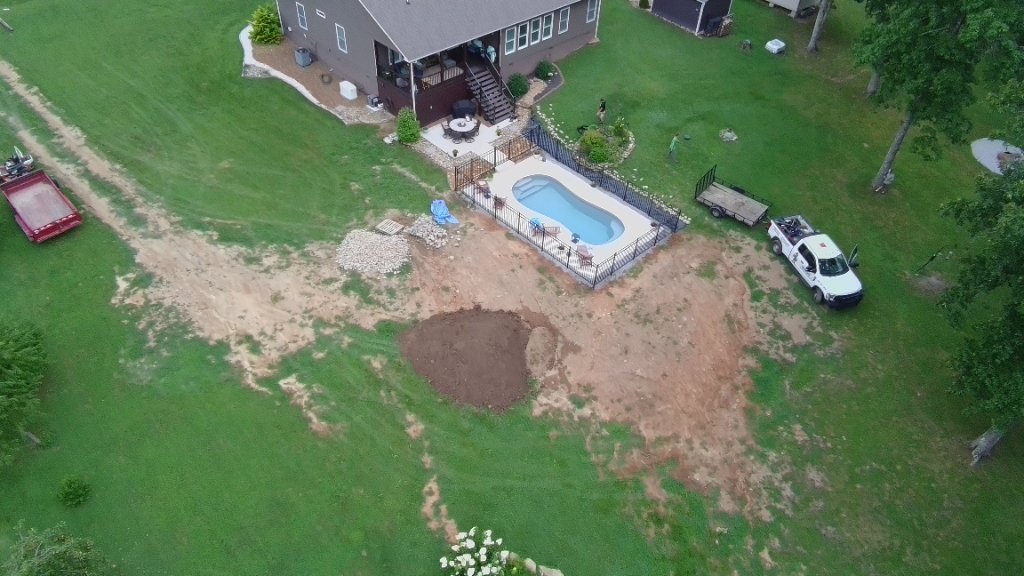
Heavy equipment and material staging will impact the lawn and any planting beds near the work zone. This is normal and expected. We minimize impact by using plywood or ground protection mats where possible, but expect some turf damage in the access path. Plan to reseed or sod these areas after the project — we can include light lawn repair in the scope if you'd like.
5. What to Expect During Construction
- Noise: Excavation, compaction, and cutting generate significant noise during working hours (typically 7 AM–6 PM).
- Dust: Dry conditions create dust, especially during excavation and base compaction. We water the area when needed.
- Material staging: Pavers, base material, and sand will be delivered and staged near the work area — usually on the driveway or a designated spot.
- Duration: A typical paver patio takes 3–5 days. Retaining walls take 3–7 days depending on size. Larger projects run 1–2 weeks.
6. After Construction: What to Do
Stay off the new surface for 24 hours after polymeric sand installation to let it cure. Wait 60–90 days before sealing a new paver patio — this gives the base time to settle and any minor joint sand loss to resolve. For retaining walls, avoid backfilling above the wall or planting large shrubs within 3 feet of the wall face for the first season.
